
Producers of fish protein liquid fertilizer often face the same challenge: how to maintain or even increase the nitrogen level during fermentation. Because fish waste contains natural amino acids and organic nitrogen, the right fermentation strategy can significantly enhance nutrient stability and overall fertilizer efficiency. Here are practical tips for improving N content when producing fish amino acid liquid fertilizer, especially if you are designing or upgrading a fish hydrolysate fertilizer processing line.
Choose the Right Raw Material and Pre-Treatment
The quality of the raw material determines the potential nitrogen concentration. Fresh fish scraps, viscera, or low-value aquatic by-products contain high levels of proteins and peptides. To protect these natural nitrogen compounds:
- Avoid excessive washing, which can leach nitrogen into wastewater.
- Pre-crush the material using a stainless-steel grinding machine to increase surface area.
- Add molasses or carbohydrate sources to support early microbial growth and stabilize the pH.
Pre-treatment also helps reduce fermentation time and improves the efficiency of a complete fish protein fertilizer production system.
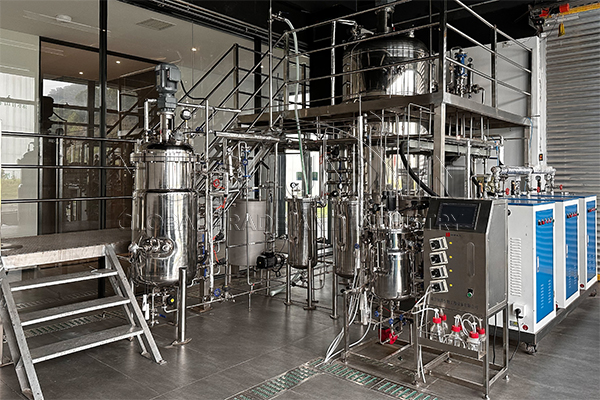
Maintain an Optimal pH for Protein Hydrolysis
Most producers aim for a pH between 5.0 and 6.2, where hydrolytic microbes and enzymes work best. If the pH rises too high, ammonia volatilization may occur, reducing total N content. To prevent this:
- Add mild organic acids (lactic acid, citric acid) when pH exceeds the recommended range.
- Monitor pH continuously using an inline pH sensor in a dedicated fermentation tank.
A controlled pH helps convert proteins into stable amino acids without nitrogen loss.
Boost Enzymatic Breakdown With the Right Microbial Strains
To increase the nitrogen available in the final liquid fish fertilizer, specialized strains are often incorporated:
- Protease-producing microbes enhance protein hydrolysis.
- Lactic acid bacteria stabilize fermentation and suppress spoilage organisms.
- Yeast species contribute to amino acid enrichment.
Many industrial fermenters are equipped with dosing ports that allow precise microbial inoculation, improving the consistency of every batch. Learn more!
Control Temperature and Agitation in the Fermentation Tank
Stable temperature (30–38°C) helps maximize enzymatic activity. Sudden drops can stall hydrolysis and increase odor. Likewise, moderate mixing helps:
- Prevent sedimentation of fish solids
- Improve oxygen distribution (when aerobic phases are used)
- Ensure nutrient uniformity
An automated fish fertilizer fermentation reactor makes it easier to maintain these parameters.
Use Proper Post-Treatment to Preserve Nitrogen
After fermentation, nitrogen losses can still occur through oxidation or sediment formation. To reduce this risk:
- Utilize a solid–liquid separator to remove large particles without stripping dissolved amino acids.
- Store the final liquid fertilizer in sealed, UV-protected tanks.
- Adjust viscosity and N content through low-temperature concentration if needed.
If you want to know more information about fish protein liquid fertilizer production, welcome to visit: https://www.liquidfertilizerplants.com/products/fish-protein-liquid-fertilizer-manufacturing/