
Starting a fertilizer production plant can be a significant financial endeavor. However, there are strategic approaches to minimize the fertilizer production plant cost without compromising on efficiency and quality. The choice of raw materials and machinery plays a crucial role in this process.
What Raw Materials Are Suitable for Organic and Compound Fertilizer Production?
A wide array of raw materials can be utilized in organic and compound fertilizer manufacturing. For organic fertilizers, materials such as animal manure, crop residues, and green waste are quite effective. They provide essential nutrients and enhance soil health. On the other hand, compound fertilizers often involve a combination of elements such as nitrogen, phosphorus, and potassium. These can be derived from materials like phosphate rock, ammonium sulfate, and potassium chloride. Choosing the right raw materials based on availability and cost can significantly reduce the organic fertilizer production plant cost.
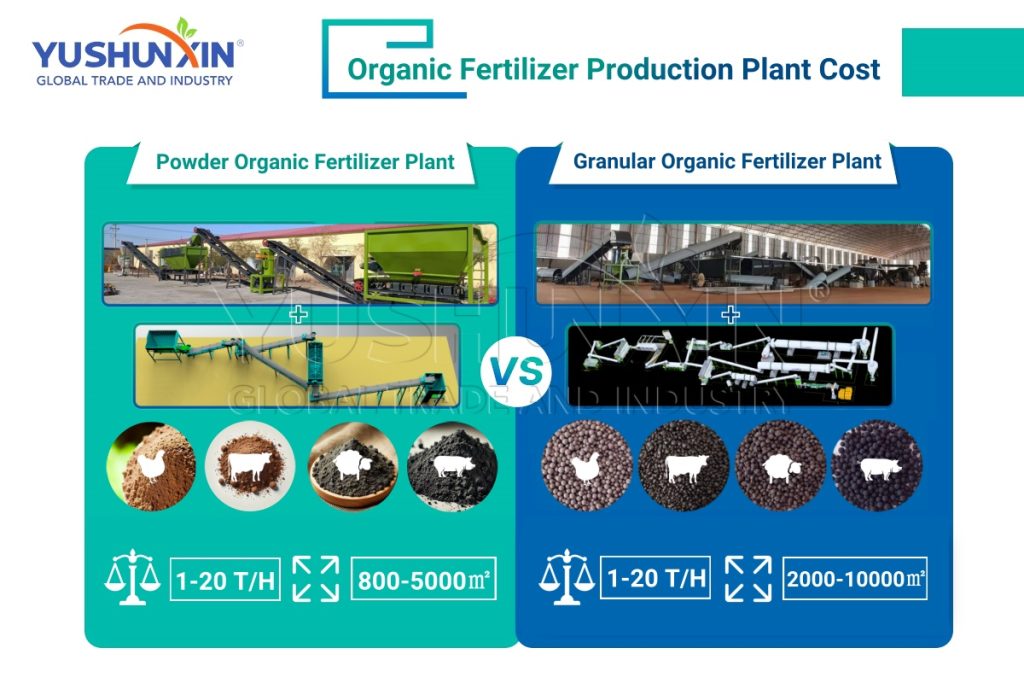
How Do Machine Features Influence Fertilizer Manufacturing Plant Cost?
The selection of machinery directly impacts the fertilizer factory cost. For instance, granulating equipment is indispensable in transforming raw materials into granules or pellets. Granulators such as the disc granulator, flat die granulator, or double roller extrusion granulator offer flexibility in handling different raw materials and are crucial in the granulation process. In addition, machinery like the compost machine, which aids in the fermentation of organic matter, or the rotary drying machine, which ensures proper moisture levels in the final product, are essential. Each machine contributes to the overall efficiency and effectiveness of the production line, thereby influencing the npk fertilizer plant cost.
When selecting machinery, consider those that offer multiple functions or have adjustable features. This adaptability can lower the initial fertilizer plant setup cost and reduce long-term expenses related to upgrades or replacements. Energy-efficient machines also help in reducing operational costs, making them a valuable investment in the long run.
How Can Strategic Planning Lower Organic Fertilizer Production Plant Cost?
Strategic planning is essential in minimizing the fertilizer production plant cost. Start by evaluating the production capacity and scale of operations needed. A smaller-scale setup might only require essential machinery such as basic granulators and compost machines, whereas large-scale operations might need a full suite of equipment including batching machines, rotary drying machines, and screening machines.
Additionally, consider the layout and space utilization within the plant to increase operational efficiency. Adequate planning can lessen downtime and improve the flow of materials through different stages of production. Another critical strategy is to invest in modular machinery, which allows for incremental upgrades as production demands grow, thereby managing the fertilizer manufacturing plant cost effectively.
Conclusion
In conclusion, reducing the investment in fertilizer production machinery involves a strategic approach to selecting raw materials and machinery, combined with effective planning. By focusing on these areas, you can establish a cost-effective fertilizer production line. For those seeking specialized equipment, a professional fertilizer equipment manufacturer like Yushunxin offers comprehensive solutions tailored to various production needs while keeping the fertilizer production line cost in check. You can visit: https://www.fertilizerproductequipment.com/fertilizer-manufacturing-plant-cost/