
Pomace, the residual pulp, skins, and seeds left after fruit pressing, is often considered a waste product in the juice and winemaking industries. However, when properly processed, dried pomace can be transformed into valuable organic fertilizer. Utilizing pomace not only addresses waste disposal challenges but also contributes to sustainable agricultural practices. This article explores the advantages of using dried pomace in organic fertilizer production, the processes involved in moisture reduction, and the equipment that facilitates this transformation.
Why Is High Moisture Organic Waste Suitable for Fertilizer Production?
High moisture organic wastes, such as fruit pomace, vegetable scraps, and animal manure, are rich in essential nutrients like nitrogen, phosphorus, and potassium. These materials are abundant byproducts in industries like juice extraction and food processing. For instance, apple pomace, grape pomace, and citrus peel residues contain significant amounts of organic matter beneficial for soil health. Converting these high moisture wastes into organic fertilizer through processes like composting and granulating not only reduces environmental pollution but also recycles nutrients back into the soil. This practice supports sustainable agriculture and enhances crop productivity.
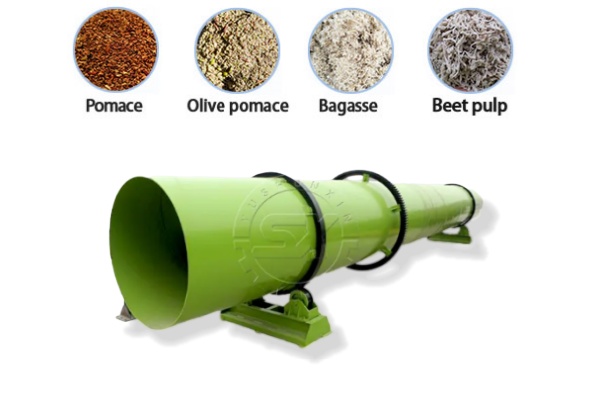
What Are the Steps to Reduce Moisture Content in Pomace for Fertilizer Production?
Reducing the moisture content of pomace is crucial for effective organic fertilizer production. The process typically involves four stages to decrease water content from over 90% to below 10%. First, dewatering machines mechanically remove excess water through processes like pressing or centrifugation. Second, the dewatered pomace undergoes composting, allowing microbial activity to break down organic matter and further reduce moisture. Third, wet granulating equipment, such as granulators or pelletizers, transforms the composted material into granules or pellets, facilitating handling and application. Finally, pomace dryers complete the moisture reduction by uniformly drying the granules, ensuring stability and longevity of the fertilizer product. Each stage is integral to producing high-quality organic fertilizer from pomace.
How Do Pomace Dryers Enhance the Fertilizer Production Process?
Pomace dryers are essential in achieving the desired dryness level in organic fertilizer production. By employing advanced drying technology, these machines efficiently reduce the moisture content of granulated pomace to below 10%. The drying process not only prolongs the shelf life of the fertilizer but also prevents microbial spoilage and clumping of particles. Pomace dryers uniformly evaporate residual moisture, resulting in consistent granule quality and optimal nutrient preservation. Incorporating a pomace dryer into the production line enhances efficiency, reduces energy consumption, and ensures the final product meets industry standards for organic fertilizers.
What Equipment Is Vital in Processing Pomace into Organic Fertilizer?
Several types of machinery are crucial in converting high moisture pomace into valuable organic fertilizer. Dewatering equipment initiates the process by mechanically reducing water content. Composting machines then facilitate the breakdown of organic matter, enhancing nutrient availability. Wet granulators or pelletizers shape the composted material into uniform particles suitable for application. The pomace dryer is vital in finalizing moisture reduction, ensuring the fertilizer is stable and easy to store. Each piece of equipment plays a specific role in transforming pomace into a high-quality organic fertilizer through efficient production procedures and techniques.
Conclusion
Utilizing dried pomace in organic fertilizer production offers significant environmental and economic benefits. By transforming high moisture organic wastes into fertilizers, industries not only minimize waste disposal issues but also contribute to sustainable agricultural practices. The moisture reduction process—encompassing dewatering, composting, granulating, and drying—is essential in producing a stable and nutrient-rich fertilizer product. Investing in specialized equipment, particularly pomace dryers, enhances the efficiency and quality of the production process. For those seeking professional solutions, Yushunxin, a renowned drying equipment manufacturer, offers advanced machinery designed to optimize organic fertilizer production from pomace and other high moisture organic wastes. You can visit: https://www.fertilizerdryer.com/pomace-drying-machine/