
Maintaining the right pH level and nutrient concentration is essential for producing stable, effective liquid organic fertilizers. Whether the feedstock comes from manure slurry, plant extracts, fish hydrolysate, or microbial fermentation, the chemical balance determines product clarity, shelf life, and nutrient availability. Below is a practical guide to the most useful strategies for controlling pH and concentration during liquid fertilizer manufacturing.
1. Understanding the Role of pH in Organic Liquid Fertilizers
The pH value affects microbial growth, nutrient stability, and the risk of sediment formation.
- Too acidic conditions may cause corrosion and loss of beneficial microbes.
- Too alkaline conditions can reduce nutrient solubility and lead to precipitation.
Most producers target a pH range of 5.5–7.0, depending on the formulation.
To adjust pH during processing, manufacturers commonly use:
- Organic acids such as citric acid or lactic acid
- Inorganic acids like phosphoric acid (also adds P)
- Mild alkalis, including potassium carbonate or sodium bicarbonate
Automated pH controllers in mixing tanks can continuously monitor and maintain the desired acidity level, increasing process stability.
2. Strategies to Control Nutrient Concentration
Concentration determines product strength, viscosity, and suitability for foliar spraying or drip irrigation. Key methods include:
Evaporation or concentration control
Gentle heating in a stainless-steel mixing reactor can slightly reduce water content, raising nutrient density without damaging organic compounds.
Dilution for consistency
After fermentation or extraction, batches often vary. Water or carrier solutions help align conductivity and NPK content to standard levels.
Filtration to stabilize concentration
Solid residues affect both concentration and flowability. Using
- mesh filters,
- centrifugal filters, or
- inline screening systems
ensures stable nutrient levels and prevents clogging during application.
Click here to get more methods.
3. Tools and Equipment That Improve pH and Concentration Management
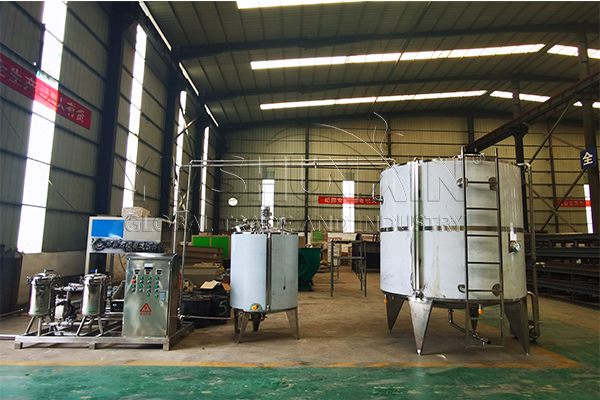
Several types of liquid fertilizer processing equipment help maintain control during production:
- Agitated mixing tanks with pH and temperature probes
- Metering pumps for precise dosing of acids, alkalis, or nutrient additives
- Inline conductivity meters to monitor total dissolved solids
- Fermentation tanks with automatic control systems for stable biochemical reactions
- Filtration units to remove insoluble impurities
These tools make the production line more consistent, especially when scaling from small workshops to commercial liquid fertilizer plants.
Conclusion
Managing pH balance and nutrient concentration is fundamental in producing reliable, high-quality liquid organic fertilizers. By using the right buffering agents, filtration systems, and automated control equipment, manufacturers can significantly improve product stability and efficiency. If you need some equipment for adjusting the PH and nutrient concentration, welcome to visit: https://www.liquidfertilizerplants.com/products/liquid-organic-fertilizer-manufacturing-process/